Homeowner's Guide to finding trusted plastering services in Tampa
Homeowner's Guide to finding trusted plastering services in Tampa
Blog Article
Plaster Work: Get an Impeccable Appearance for Your Interior Areas
Plastering solutions play a key role in enhancing the aesthetic appeal of interiors. By converting rough walls into polished finishes, these offerings not only raise visual quality but also manage structural concerns. Various techniques exist, each fitting for different needs and likes. Grasping these options can be critical for homeowners. What factors should one consider when picking the right plastering method? The answer may be surprising.
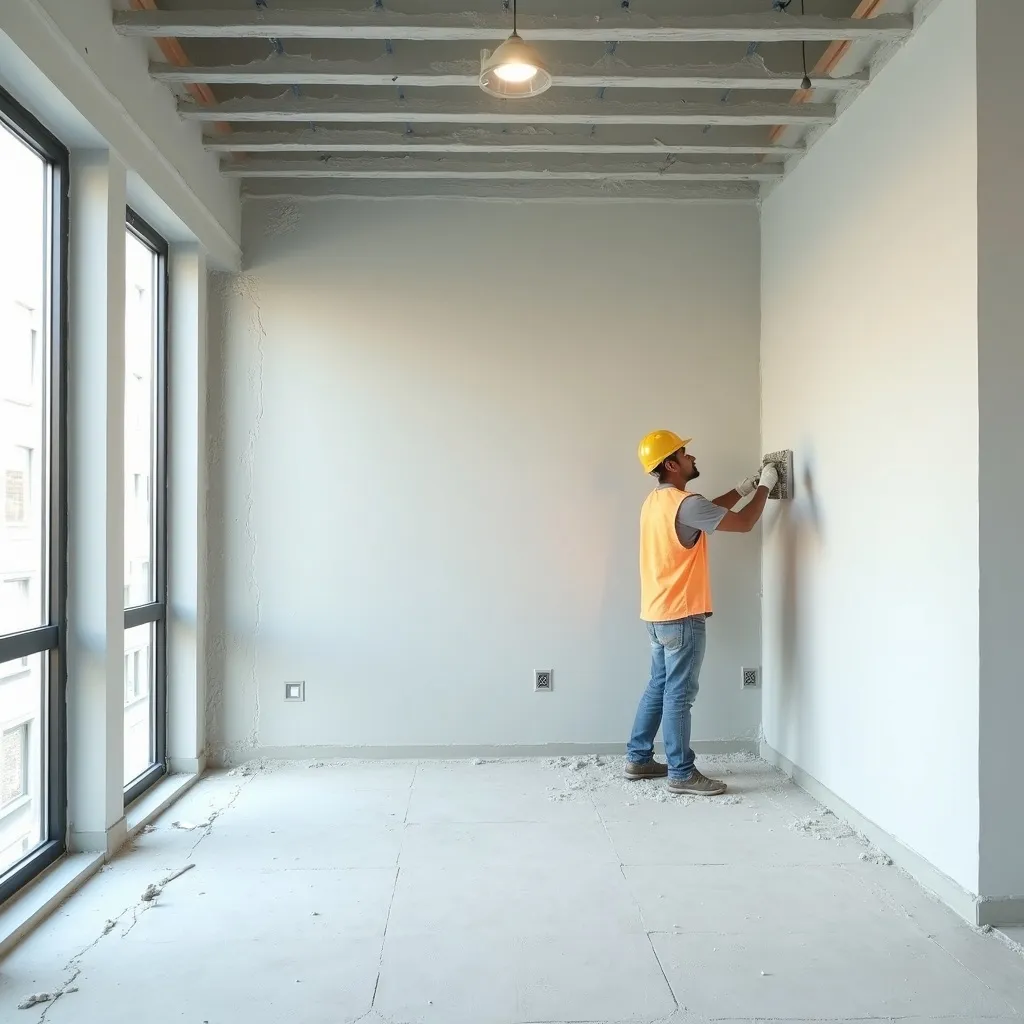
The Fundamental Benefits of Certified Plastering
Quality plastering work provides numerous rewards that boost the standard of indoor rooms. This specialized service enhances the aesthetic character of walls and ceilings, providing a polished and smooth finish that is visually impressive. Moreover, quality plastering supports long-lasting durability, protecting surfaces from damage and wear over time. The application of high-quality plaster can further promote superior insulation performance, regulating temperature and potentially reducing energy costs.
Moreover, professional plasterers possess the capabilities and experience necessary to spot and handle underlying issues, such as humidity or building issues, before they amplify. This proactive approach not only guarantees a spotless appearance but also extends the longevity of the work. Furthermore, the use of advanced materials and techniques assures a superior end result, transforming areas into more welcoming and relaxing environments. Ultimately, investing in professional plastering services lays the foundation for beautifully finished interiors that withstand the test of time.
Typical Plastering Approaches and Their Practical Uses
Various plaster application methods address different aesthetic and functional needs in interior spaces. One popular technique is conventional plaster application, which includes applying a base coat followed by a finish coat, creating a even finish ideal for painting. Another technique is skim coating, where a thin layer of plaster is spread over existing walls to revitalize their look without extensive restoration.
Textured plastering delivers aesthetic character and can hide imperfections; techniques such as knockdown or stucco finish create unique surfaces suited for various design styles. Venetian plaster, a high-end selection, offers a refined, gleaming look through successive applications and special application techniques, regularly enhancing the setting of upscale interiors.
In conclusion, plaster finishing is often used for new builds, providing an effective explore this topic way to coat walls and ceilings. Each method serves separate purposes, allowing homeowners and designers to realize desired aesthetics while ensuring durability.
How to Pick the Best Plastering Approach for Your Area
Choosing the optimal plastering technique demands a thorough evaluation of the condition of the walls and the particular purpose of the room. Recognizing these elements helps determining the most appropriate products to apply. By considering both the environment and practical needs, one can make an informed choice that improves the space.
Assess Your Wall Condition
How does one choose the most ideal plastering technique for their room? Evaluating the wall condition is vital in the selection process. The first step involves inspecting for cracks, dampness, or uneven surfaces that can affect the plastering approach. For example, walls with significant wear may require repair before plastering, while smoother surfaces might be suited to a basic skim coat. In addition, identifying the type of wall material—such as drywall or masonry—is crucial for selecting the appropriate plaster. A comprehensive evaluation guarantees that the chosen technique not only enhances appearance but also ensures lasting durability. Ultimately, knowing the wall's condition facilitates informed decisions that result in a flawless finish.
Think About Room Utility
When reviewing the best plastering technique for a space, grasping the room's use is imperative. Different areas of a home serve separate purposes, which can influence the plaster choice. For instance, high-traffic rooms like hallways may profit from more durable finishes that repel wear, while bedrooms might stress aesthetics and smooth textures for added comfort.
Additionally, damp spaces such as bathrooms demand specialized techniques to avoid mold and damage. In contrast, living rooms could highlight decorative plaster finishes to improve visual appeal. By aligning the plastering technique with the specific use of each room, one can achieve not only a perfect surface but also guarantee longevity and functionality tailored to the environment's needs.
Opt for Right Supplies
What materials are best for plastering in a given space? The choice of plaster materials significantly affects the finish and durability of the area. Traditional lime plaster is excellent for older buildings, providing flexibility and breathability, which prevents moisture buildup. Gypsum plaster, recognized for its quick setting time, is suitable for modern interiors and provides a even finish. For humid areas, such as bathrooms, moisture-resistant plaster is suggested to prevent mold development. Additionally, taking into account the underlying surface is essential; plaster should bond properly to materials like brick or concrete. Ultimately, choosing the appropriate plastering material improves both visual appeal and practicality, ensuring the interior spaces remain attractive and durable over time.
Top Indicators That You Require Professional Plastering
When evaluating the requirement for professional plaster work, multiple key signs can indicate underlying problems. Fractures and holes, irregular wall surfaces, and evidence of water deterioration are critical factors to consider. Tackling these problems promptly can avoid further deterioration and guarantee a even, aesthetically appealing interior.
Cracks And Openings Evident
Cracks and holes may noticeably compromise both the appearance and structural integrity of interior areas. These imperfections not only damage overall aesthetics but also reveal more serious issues inside the walls. Small cracks might appear innocuous, yet they have the potential to worsen with time, resulting in additional damage. Holes caused by nails or other objects introduce weak points that impact insulation and energy efficiency. Homeowners must not dismiss these warning signs; quickly repairing them with expert plastering services ensures a flawless finish and avoids costly repairs down the line. Neglecting cracks and holes may result in higher maintenance expenses and an unappealing environment, making timely repair vital for keeping the attractiveness and strength of interior spaces.
Uneven Wall Surfaces
Uneven walls can greatly reduce the aesthetic appeal of a home, indicating the necessity for expert plastering help. Homeowners commonly see discrepancies in wall finish, with some sections appearing uneven or bumpy. These flaws can be caused by incorrect installation, settling of the building, or wear over time. An uneven surface not only impacts the overall look but can also hinder the use of paint or wallpaper, leading to an unsatisfactory finish. Furthermore, light can throw shadows on uneven walls, further highlighting imperfections. Hiring professional plastering services ensures that these surfaces are smoothed out, providing a consistent base for additional finishing. A flawless wall greatly contributes to a home’s atmosphere and worth, making timely intervention crucial.
Water Damage Symptoms
Water damage can manifest in different forms, often indicating the immediate need for professional plastering services. Homeowners should be watchful for clear indicators. Marks or color changes on walls and ceilings are main signs, often appearing as yellow or brown patches. Peeling or bubbling paint also indicates hidden moisture issues, as does the presence of mold or mildew, which can harm indoor air quality. Additionally, if walls feel damp to the touch or emit a musty odor, it may signal hidden water damage. Cracks or flaking plaster can further expose structural concerns linked to moisture infiltration. Addressing these signs quickly with professional plastering services is essential for maintaining a safe and attractive living environment.
What Price Should You Anticipate for Plastering?
What amount should one expect to invest in plastering services for indoor areas? The price of plastering fluctuates significantly based on multiple considerations, such as the dimensions of the area, the type of material used, and the complexity of the project. On average basis, homeowners can anticipate spending from $1.50 to $3.50 per square foot for basic plastering work. For highly specialized finishes, such as Venetian plaster, costs may rise to $6 or more per square foot.
Additional expenses may arise from preliminary tasks, such as fixing existing walls or ceilings. Labor costs also play an essential role, with skilled plasterers charging hourly rates that can vary between $25 to $75. Ultimately, obtaining multiple quotes from licensed professionals can offer a clearer picture of the expected investment, ensuring homeowners make informed decisions while planning expenses for their plastering projects.
Preservation Suggestions for Your Newly Plastered Interiors
Once you've invested in plastering for inside areas, upkeep of the newly finished surfaces is essential for durability and visual appeal. Regular dusting with a soft, dry cloth helps prevent dirt accumulation. It's advisable to avoid abrasive cleaners that can damage the surface. Instead, mild soap mixed with water can be used for occasional cleaning.
Moisture levels management is essential; surplus humidity can bring about deterioration or mold. Employing a moisture controller in moist locations can address this concern. To shield from scratches and dents, explore using floor protectors under large furniture.
Examine the plaster periodically for cracks or chips, handling any issues promptly to prevent additional damage. Ultimately, applying an appropriate sealant can boost durability and cleaning ease, making sure the plaster maintains its visual beauty over time. Following these care tips will help preserve the aesthetic quality and strength of newly plastered interiors.
Often Requested Responses and Questions
How Much Time Should You Anticipate for Plastering Tasks?
Plastering generally requires one to three days to complete, contingent upon the area size and the intricacy of the project. Curing duration can lengthen the overall process, demanding extra time for optimal outcomes.
Is it feasible to plaster Over current Wallpaper or Paint?
Applying plaster over existing wallpaper or paint is typically not advised. The surfaces may prevent proper adhesion, resulting in cracks or peeling. For best results, removing the wallpaper or paint before plastering is recommended.
Which Plastering Materials Varieties Are Accessible?
Multiple types of plaster solutions exist, encompassing gypsum plaster, lime plaster, cement plaster, and acrylic plaster. Each variant gives special features, ideal for multiple implementations, environments, and intended aesthetics, satisfying different design and construction demands.
Can Plaster work be Used for Outside Uses?
Plastering works well for outdoor applications, notably when using professional-grade outdoor plasters that withstand water and temperature variations. These products enhance durability while delivering an durable and visually appealing surface for different outdoor materials.
How Can I Set Up My Room Before Plaster Installation?
To get a room ready for plastering, one should clear furniture, lay down floors with drop cloths, scrub walls, patch any damage, and guarantee proper ventilation. Proper preparation promises a smoother application and improved final results.
Report this page